
RCM’s Recycled Aggregates: The Foundation of Stronger, Greener Builds
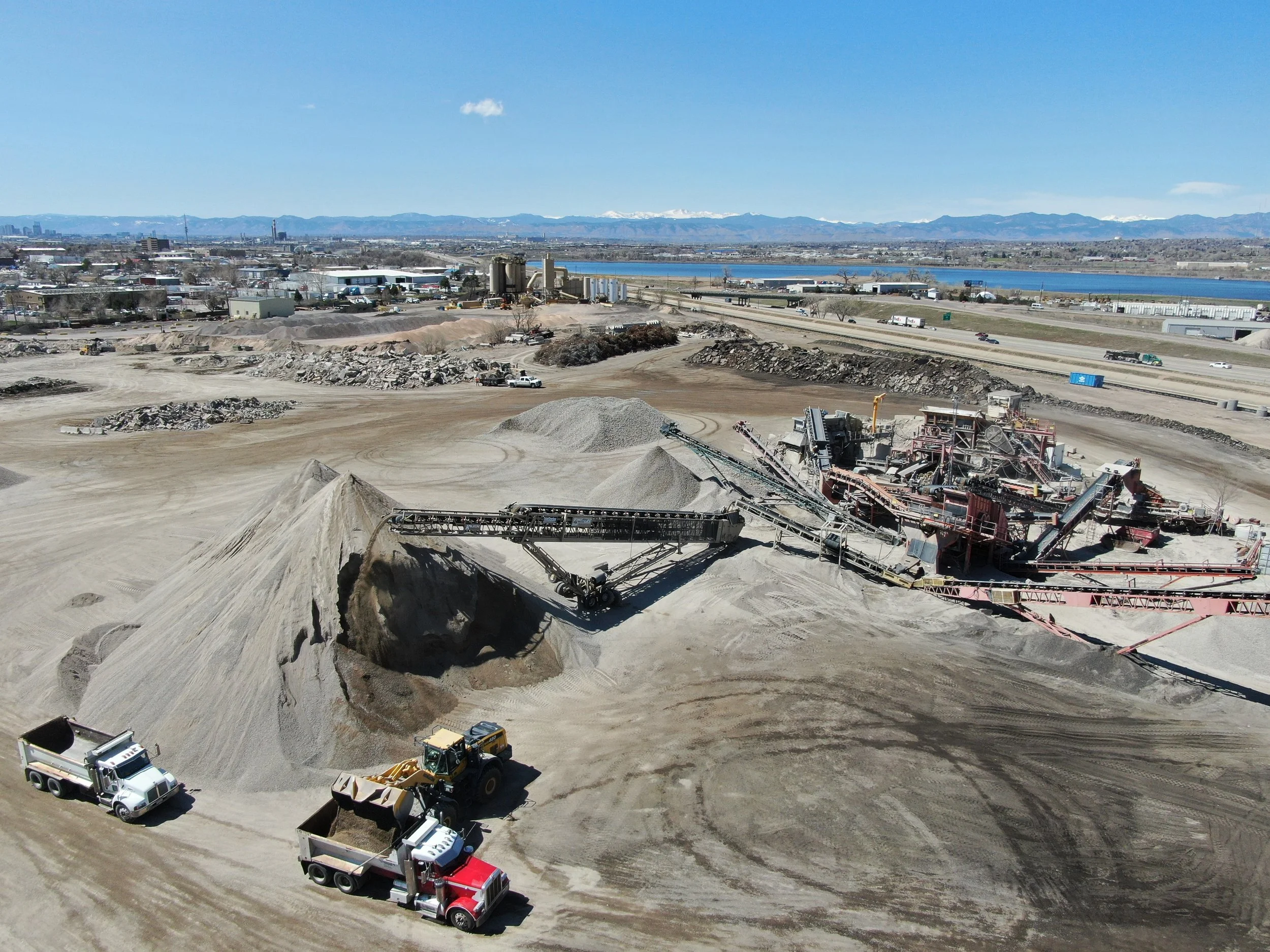
Every successful construction project depends on what lies beneath it. While finishes and structures get the attention, the real strength comes from the base materials that support everything above. Choosing the right aggregates can directly impact durability, stability, and long-term performance. That’s why more contractors are turning to recycled aggregates as a smarter, more sustainable solution. Instead of relying solely on newly mined materials, recycled aggregates provide a way to build stronger foundations while reducing environmental impact. This shift is not just about sustainability. It’s also about better performance and cost efficiency.
What Are Recycled Aggregates?
Recycled aggregates are materials produced by processing construction and demolition debris such as concrete, asphalt, and stone. These materials are crushed, screened, and graded to create usable aggregates for construction projects.
A common example is recycled concrete, which is repurposed into base material for roads, foundations, and site preparation. Rather than sending this material to landfills, it is transformed into a valuable resource that supports new builds. The core advantage behind recycled aggregates benefits is simple: they retain strength while reducing waste.
Stronger Foundations with Proven Performance
Recycled aggregates are widely used because they deliver reliable performance across multiple applications. When processed correctly, they meet industry standards for compaction, load-bearing, and durability.
Key performance advantages include:
High compaction for stable base layers
Strong load distribution for structural support
Resistance to shifting and settling over time
For contractors, this means fewer structural issues and more confidence in the longevity of the project. Whether used in road construction or building foundations, recycled aggregates provide the stability needed for long-term success.
A Sustainable Approach to Construction
Sustainability is becoming a major focus across the construction industry, and recycled aggregates play a key role in supporting sustainable infrastructure.
Environmental benefits include:
Reducing construction and demolition waste
Conserving natural resources by limiting quarrying
Lowering carbon emissions associated with material production
By reusing existing materials, contractors help minimize the environmental footprint of their projects while still meeting performance expectations.
Cost-Effective Gravel Alternatives
Traditional aggregates can be expensive due to extraction, processing, and transportation costs. Recycled aggregates offer practical gravel alternatives that help control project budgets without sacrificing quality.
Cost advantages include:
Lower material costs compared to virgin aggregates
Reduced hauling and disposal expenses
Local availability that cuts transportation costs
These advantages make recycled aggregates a strong choice for contractors looking to balance performance with cost efficiency.
Versatile Applications Across Projects
Recycled aggregates are not limited to one type of construction. Their versatility makes them suitable for a wide range of applications.
Common uses include road base and sub-base layers, foundation support for residential and commercial builds, driveways and parking areas, and draining systems and erosion control.
Because of their flexibility, recycled aggregates can be integrated into both small-scale projects and large infrastructure developments.
Supporting Reliable Material Supply
Material availability has become a growing concern in construction. Delays and price fluctuations can impact project timelines and budgets. Recycled aggregates provide a more stable supply by utilizing locally sourced materials.
This approach reduces dependence on external supply chains and helps contractors maintain consistency in both cost and availability. For time-sensitive projects, this reliability is a major advantage.
Why Contractors Are Making the Shift
The move toward recycled aggregates is not just driven by environmental concerns. It’s also driven by results. Contractors are choosing these materials because they deliver on performance, cost, and sustainability all at once.
By incorporating recycled aggregates into projects, builders can improve structural stability, reduce overall costs, support environmentally responsible practice, and maintain consistent material supply. This combination makes recycled aggregates a practical and forward-thinking solution that RCM Alabama is proud to be a part of.