
How to Maintain Your Asphalt Milling Driveway for Longevity
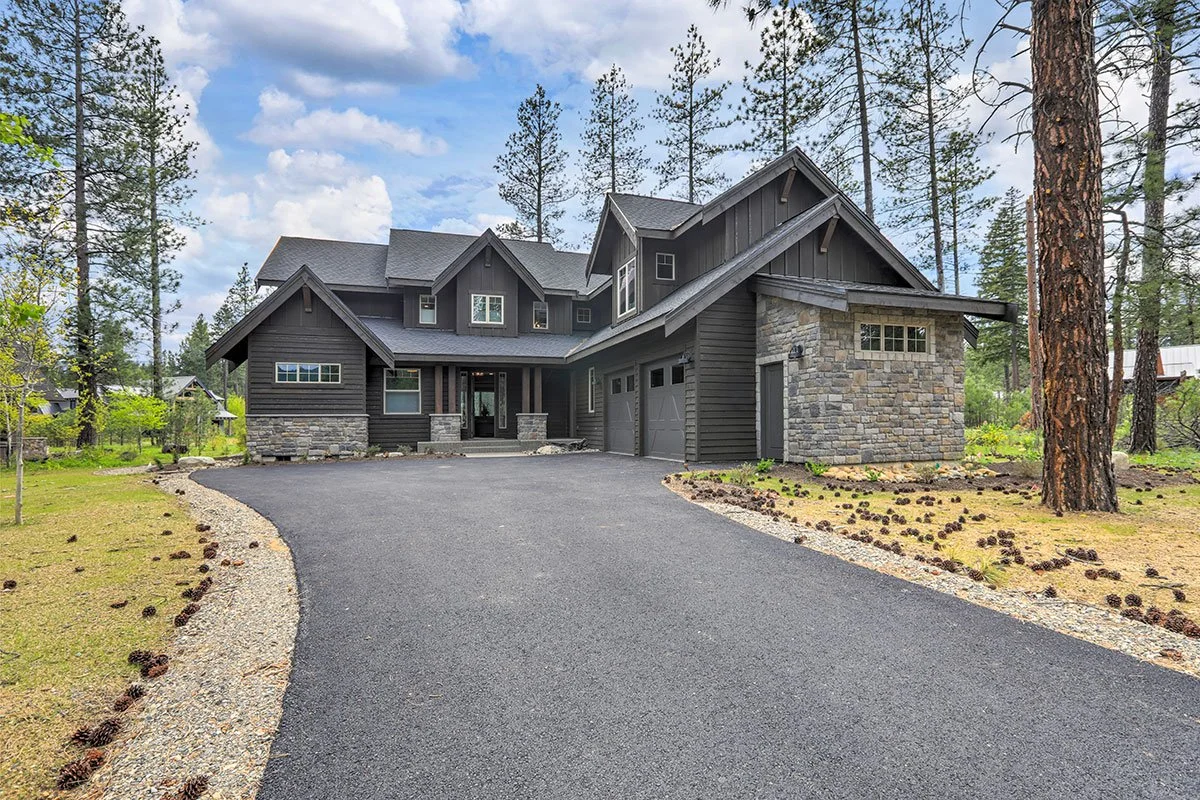
If you’ve invested in an asphalt milling driveway, congratulations—you’ve chosen one of the most durable and cost-effective driveway materials out there. Asphalt millings, also called recycled asphalt, are made from crushed and reused pavement. When properly installed and compacted, they form a hard, stable surface that can last for decades.
Still, even the toughest driveway needs some care to stay in great shape—especially here in Birmingham, AL, where heat, humidity, and heavy rainfall can take a toll. Here’s how to maintain your asphalt milling driveway so it lasts as long as possible.
1. Keep It Clean
Over time, leaves, dirt, and other debris can build up on the surface of your driveway. This can hold moisture and break down the asphalt binder in the millings.
Tip: Sweep or blow off debris regularly, especially after storms. For oil or fuel spills, clean them up right away to prevent staining and surface softening.
2. Monitor Drainage
Good drainage is key to your driveway’s longevity. Standing water can cause erosion, soft spots, and rutting.
What to Check:
Make sure your driveway has a slight crown or slope so water runs off naturally.
Watch for pooling water after rain—this may mean the surface needs re-grading or compacting.
3. Re-Compact When Needed
Asphalt millings get stronger over time, but heavy use can still loosen areas. You may notice ruts, dips, or soft edges—especially where vehicles turn or park often.
How to Fix:
Rent or hire a roller or plate compactor to re-compact the surface.
Add a thin layer of new millings if necessary, then compact again. This refresh helps restore stability and keeps your driveway looking tidy.
4. Maintain the Edges
Loose edges are a common issue with recycled asphalt driveways. Without proper containment, millings can spread out and reduce the driveway’s width over time.
Tip: Install simple edging—like landscape timbers, stone borders, or metal strips—to help the surface stay in place and reduce maintenance in the long run.
5. Watch for Weeds and Vegetation
Although compacted asphalt millings resist weed growth better than gravel, plants can still take root along the edges or in small cracks.
How to Prevent Weeds:
Applying a weed barrier fabric under the driveway before installation.
Using weed killer, or manually removing growth as needed.
6. Rejuvenate Every Few Years
If your asphalt milling driveway starts to look dry or faded, you can apply a light seal coat or rejuvenator to restore some of the binder’s flexibility.
In Birmingham’s warmer climate, this is typically needed every 3–5 years depending on traffic and exposure. It helps extend the life of your surface and improves appearance.
7. Avoid Heavy Loads When Possible
While asphalt millings can handle vehicle traffic just fine, extremely heavy loads—like construction equipment or loaded trailers—can cause ruts or depressions.
If you must park heavy vehicles, rotate their position occasionally, or reinforce those sections with fresh millings and additional compaction.
8. Inspect After Storms
Birmingham’s weather can be unpredictable. After heavy rain, check for washouts or displaced millings. Catching these small issues early can prevent costly repairs later.
Why Maintenance Matters
A well-maintained asphalt milling driveway can last 20–30 years or more. Routine maintenance keeps it smooth, stable, and visually appealing while protecting your investment. The good news? It doesn’t require nearly as much upkeep as traditional asphalt or gravel—just consistent attention to small details.
Keep Your Driveway Looking Great with RCM Alabama
At RCM Alabama, we supply high-quality asphalt millings and other aggregates throughout Birmingham, AL, and the surrounding area. Whether you need fresh material for resurfacing, help with drainage improvements, or advice on maintaining your existing driveway, our team can help.
Contact Us today to request a quote or schedule a delivery—and keep your asphalt milling driveway looking its best for years to come!
