
The Ultimate Guide to Construction Waste Management for Contractors
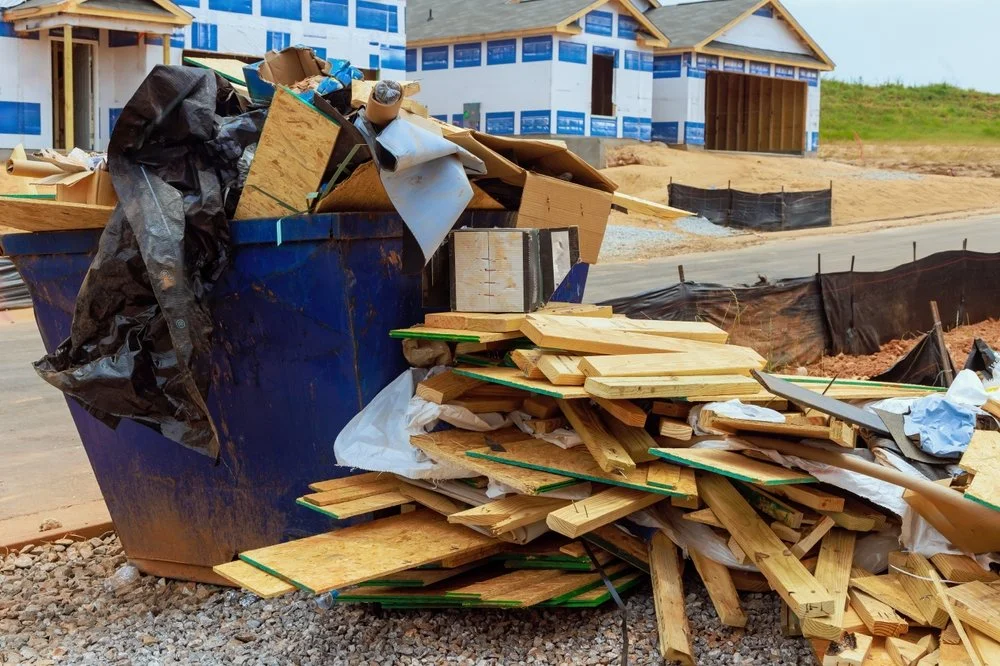
Every construction project creates waste. The question is not whether it happens. The question is how you manage it.
For contractors across Alabama, construction waste management is no longer just about hauling debris to the landfill. Rising disposal costs, tighter regulations, and growing demand for sustainable building practices mean waste management needs a smarter approach.
This construction waste management guide will walk you through the essentials and show how the right recycling solutions can improve efficiency, reduce costs, and strengthen your reputation.
What Counts as Construction Waste?
Construction and demolition waste includes materials generated during building, renovation, and teardown projects. Common materials include:
Concrete
Asphalt
Brick and block
Wood
Metal
Drywall
Vegetative debris
Without a plan, these materials often end up mixed together and sent straight to a landfill. With proper sorting and recycling, many of them can be repurposed and reused.
Why Waste Management Matters More Than Ever
Effective construction waste management delivers more than environmental benefits. It also impacts your bottom line and project performance.
1. Lower Disposal Costs
Landfill tipping fees continue to rise. Separating recyclable materials like concrete and asphalt can significantly reduce disposal expenses, especially on larger demolition projects.
Instead of paying to dump usable material, you can divert it into recycling streams and potentially reduce hauling frequency.
2. Increased Jobsite Efficiency
Organized waste management keeps jobsites cleaner and safer. Clear separation of demolition waste helps crews work more efficiently and reduces hazards caused by mixed debris piles.
Planning waste diversion in advance prevents last-minute scrambling when dumpsters fill up.
3. Support Sustainable Building Goals
Many property owners, developers, and municipalities are placing greater emphasis on sustainable building practices. Demonstrating waste diversion and recycling solutions can strengthen bids and improve relationships with environmentally conscious clients.
Diverting concrete, asphalt, and organic material from landfills helps reduce environmental impact and supports local circular economies.
Smart Strategies for Managing Demolition Waste
A successful waste management plan starts before demolition begins.
1. Separate Materials at the Source
Sorting materials on-site makes recycling far easier. Dedicated containers for concrete, metal, wood, and vegetative debris simplify processing and reduce contamination.
2. Partner With a Local Recycling Facility
Working with a facility that specializes in recycling solutions ensures materials are handled properly. Concrete and asphalt can be crushed and screened into recycled aggregates. Organic debris can be processed into compost or biochar.
Choosing a local partner also reduces transportation time and fuel costs.
3. Consider On-Site Processing
For larger projects, on-site crushing and screening may be an option. This approach allows contractors to reuse recycled aggregates directly on the same project, reducing material purchases and hauling needs.
Waste Diversion Is a Competitive Advantage
Construction waste management is no longer just an operational detail. It is part of how contractors differentiate themselves.
Clients want to see responsible material handling. Municipalities want to see landfill diversion. Developers want cost efficiency. A well-executed waste management strategy delivers all three.
Building Smarter in Alabama
At Recovered Construction Materials, we work with contractors to turn demolition waste into valuable resources. Concrete becomes recycled aggregate. Organic material becomes compost. Materials that once went straight to the dump now support new projects across Alabama.
Construction waste management does not have to be complicated. With the right plan and the right recycling partner, it becomes an opportunity.
If you are planning an upcoming project and want to improve your waste diversion strategy, reach out to RCM Alabama, and let’s start the conversation about your recycling options.