
How Using Recovered Construction Materials Can Reduce Project Costs - Without Sacrificing Quality
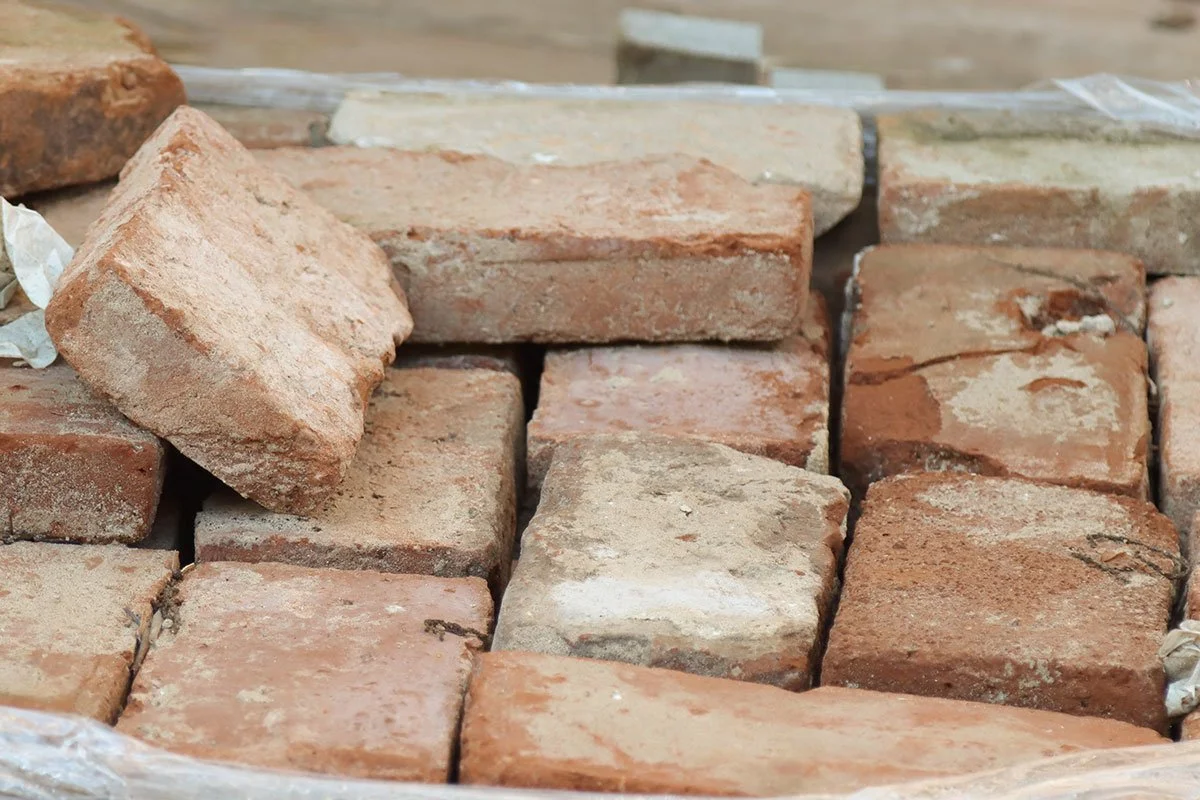
When you're planning a construction or landscaping project, one of the biggest challenges is balancing cost and quality. You want results that last—but you also want to stay within budget. That’s where recovered construction materials come in. More builders, contractors, and homeowners in Birmingham, AL are discovering that these recycled materials offer the perfect blend of durability, value, and sustainability.
If you’re on the fence about using recovered materials for your next project, here’s a look at how they can save you money without cutting corners on quality.
What Are Recovered Construction Materials?
Recovered construction materials are byproducts salvaged from previous projects—like crushed concrete, reclaimed asphalt, brick, or stone—that are processed and reused rather than sent to landfills. These materials are cleaned, sorted, and graded, so they perform just as reliably as new aggregates.
Best of all, they’re often sourced locally, which is a major benefit for Birmingham-area projects.
How Recovered Materials Reduce Project Costs
1. Lower Material Prices
One of the most obvious advantages is cost. Recovered materials are typically more affordable than newly manufactured aggregates because they require less intensive production.
For large projects like driveways, parking pads, road base, drainage fields, or site prep, the savings can be substantial.
2. Reduced Transportation Costs
Because recycled aggregates are often sourced close to home, you’ll pay less in delivery fees. With material yards like RCM Alabama right here in Birmingham, contractors don’t have to haul materials long distances—which helps keep your project budget in check.
3. Less Waste = Lower Disposal Fees
Using recovered materials helps reduce the waste produced on a job site. Instead of paying to haul away and dispose of old concrete or asphalt, that material can be crushed and reused—cutting your disposal costs and reducing environmental impact.
4. Comparable (or Even Superior) Durability
Here’s where people sometimes get surprised: recovered materials can perform just as well as new aggregates.
Crushed concrete offers excellent compaction and long-term stability.
Recycled asphalt rebinds under heat, creating a hardened surface over time.
Reclaimed aggregate base materials provide strong support for roads and foundations.
You’re not trading quality for savings—you’re simply using a smarter, more efficient product.
5. Versatility Across Many Project Types
Recovered construction materials work for all kinds of projects, including:
Driveways
Parking lots
Landscaping
Drainage solutions
Building pads
Erosion control
Pathways and trails
Their versatility makes them a go-to choice for contractors looking to save money without compromising performance.
Why Birmingham, AL Project Owners Benefit Even More
Birmingham’s mix of clay-rich soils, steep grades, and heavy rain makes high-quality aggregate materials essential. Recovered materials—especially crushed concrete and recycled asphalt—excel in these conditions because they compact tightly and resist washout.
Plus, with the demand for cost-effective construction steadily rising across Jefferson and Shelby counties, recovered materials offer a practical way to stretch your budget, while still meeting engineering and performance requirements.
A Win-Win for Your Budget and the Environment
Using recovered construction materials isn’t just the cost-effective choice—it’s also the sustainable one. You’ll reduce landfill waste, lower your project’s carbon footprint, and support a more efficient construction cycle.
Ready to Save on Your Next Project?
At RCM Alabama, we supply high-quality recovered construction materials—like crushed concrete, recycled asphalt, and more—to contractors and homeowners throughout the Birmingham area. Our products are tested, reliable, and ready for any project where durability and cost-efficiency matter.
Contact us today to get pricing, availability, or recommendations for your project needs.
