
From Tea Leaves to Topsoil: How RCM Alabama and Milo’s Tea Are Turning Waste into Compost
Every day, Milo’s Tea produces something most people never think about—used tea leaves. After brewing, those leaves are squeezed and packed, filling multiple 40-yard containers per day. For Milo’s, the challenge wasn’t making great tea. It was finding a responsible outlet for what was left behind.
That’s where RCM Alabama comes in.
Through a unique local partnership, RCM Alabama is transforming Milo’s ea byproducts into high-quality compost, creating a sustainable solution that benefits gardeners, landscapers and the Birmingham community.

Solving a Big Waste Problem—One Load at a Time
Instead of sending tea leaves to the landfill, Milo’s delivers them directly to RCM Alabama’s facility. Once dumped, the tea leaves are blended with shredded tree debris, which RCM sources from incoming trees and vegetative waste.
That organic material plays a dual role. Some trees are processed through an air burner to create biochar, while the remaining debris is shredded and mixed with the tea leaves. The tea acts as a natural accelerator, helping “cook” the wood material and jump-start the composting process.
The result is a balanced, nutrient-rich blend that breaks down efficiently and naturally.
Biochar, Testing, and Credibility
Biochar has become something of a buzzword in the compost and soil world—and for good reason. It improves soil structure, increases water retention, and supports long-term soil health. By incorporating biochar into the process, RCM is producing a compost product that meets the expectations of today’s most discerning gardeners.
RCM also had the compost tested through Auburn University, ensuring quality and consistency. That testing helped open the door to a major milestone: supplying compost to Scott’s Miracle-Gro, a national brand with significant brand recognition and reach.
While Scott's Miracle-Gro typically purchases compost in 75-yard batches, RCM also has the flexibility to produce smaller custom batches for residential customers.
Time, Turning, and Screening
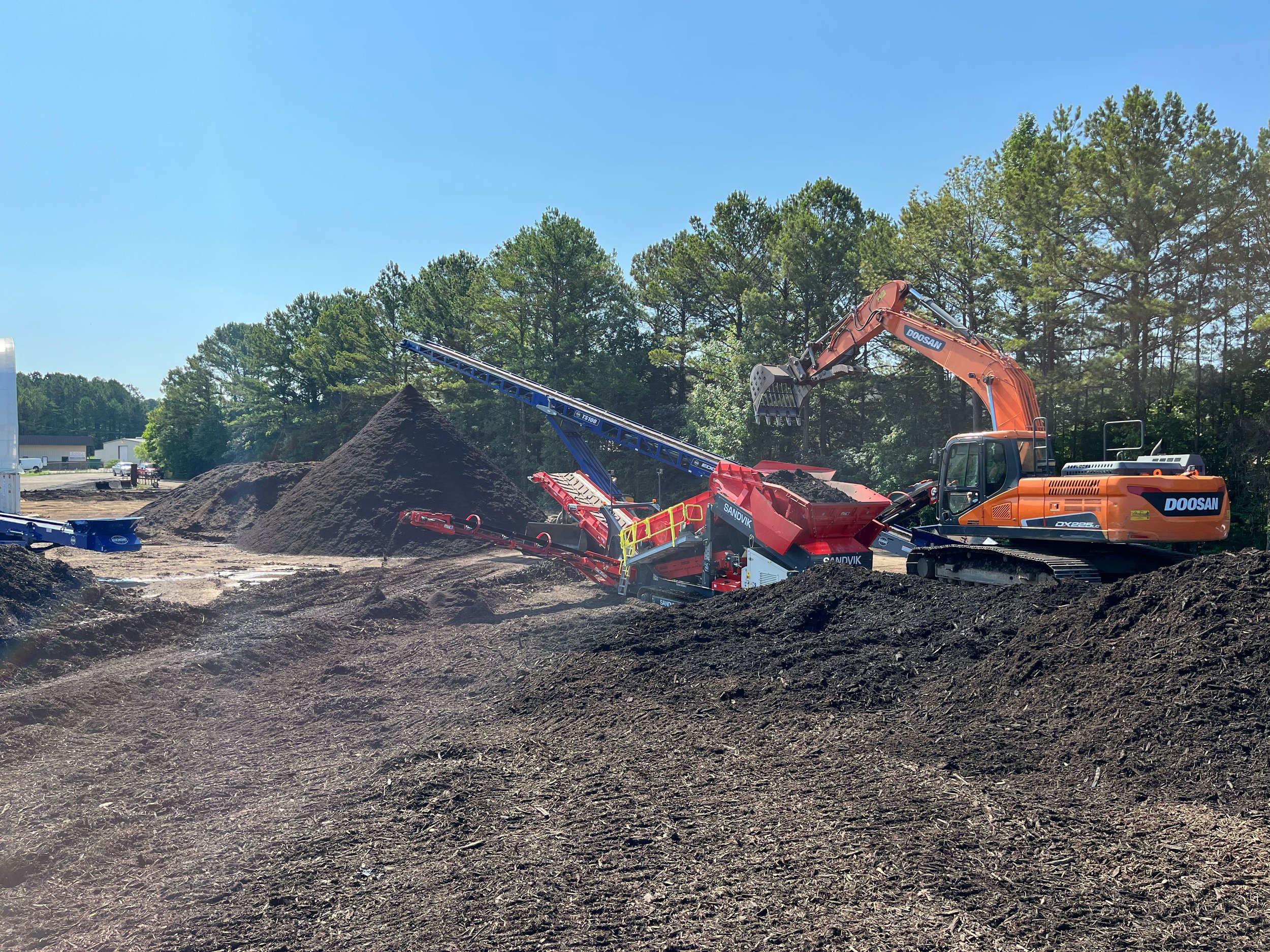
Compost isn’t rushed. At RCM, material is turned approximately every eight weeks, allowing oxygen and heat to do their work. After about 18 months, the compost is screened down to ½ inch or less, then screened again to ensure consistency.
Oversized material that doesn’t make the cut doesn’t go to waste either. Some becomes boiler fuel for wood plants in south Alabama, while other oversized material is processed further on site.
From Backyard Gardeners to Community Projects
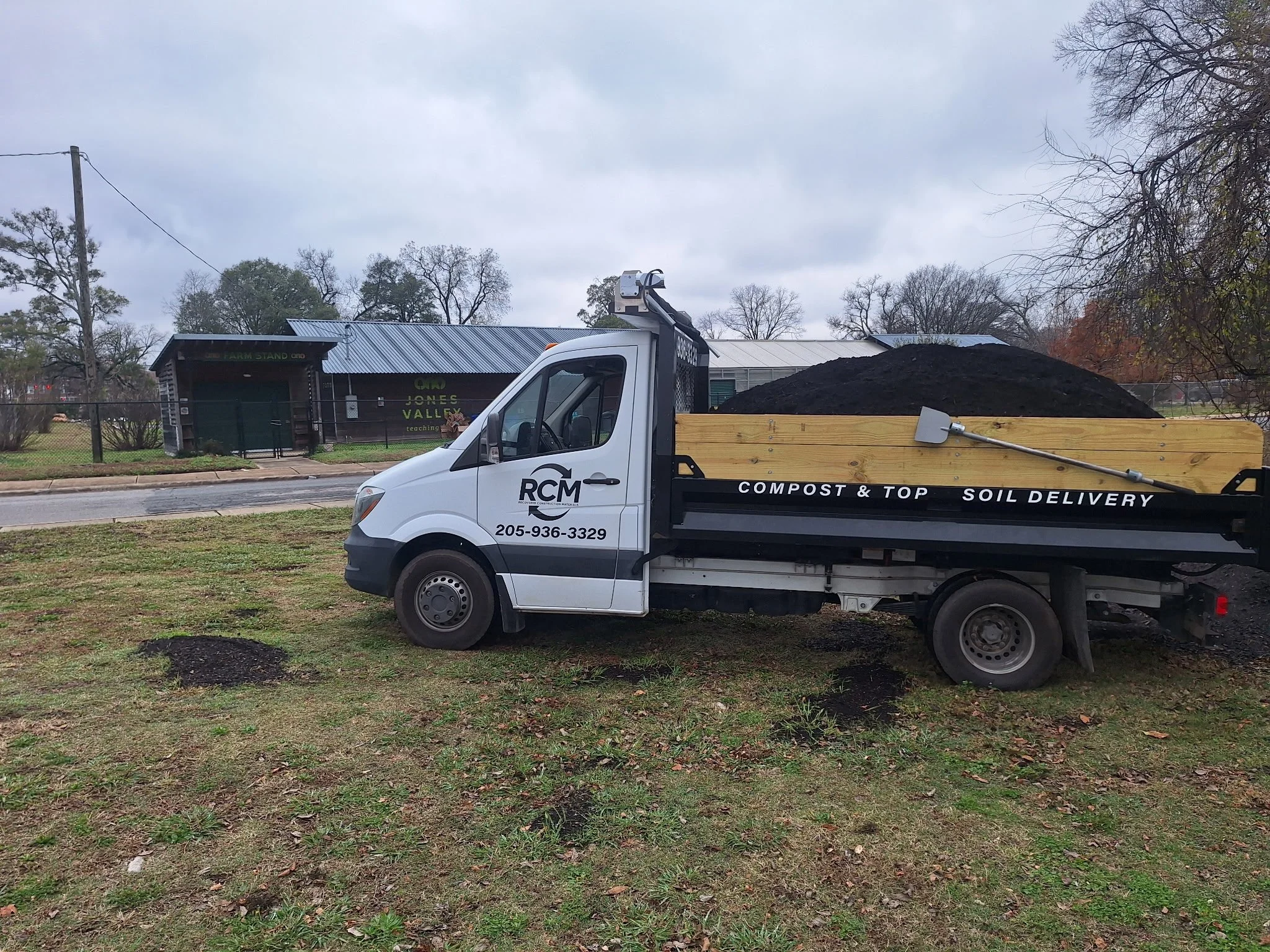
While large customers like Scott's play an important role, this compost also serves the local community. RCM delivers to homeowners, landscapers, churches, and organizations like the Jones Valley Teaching Farm. During Milo’s recent “Earth Month,” the company donated multiple truckloads of compost back into the community.
Pricing, Delivery, and Access
RCM Alabama makes compost accessible across the Birmingham metro area:
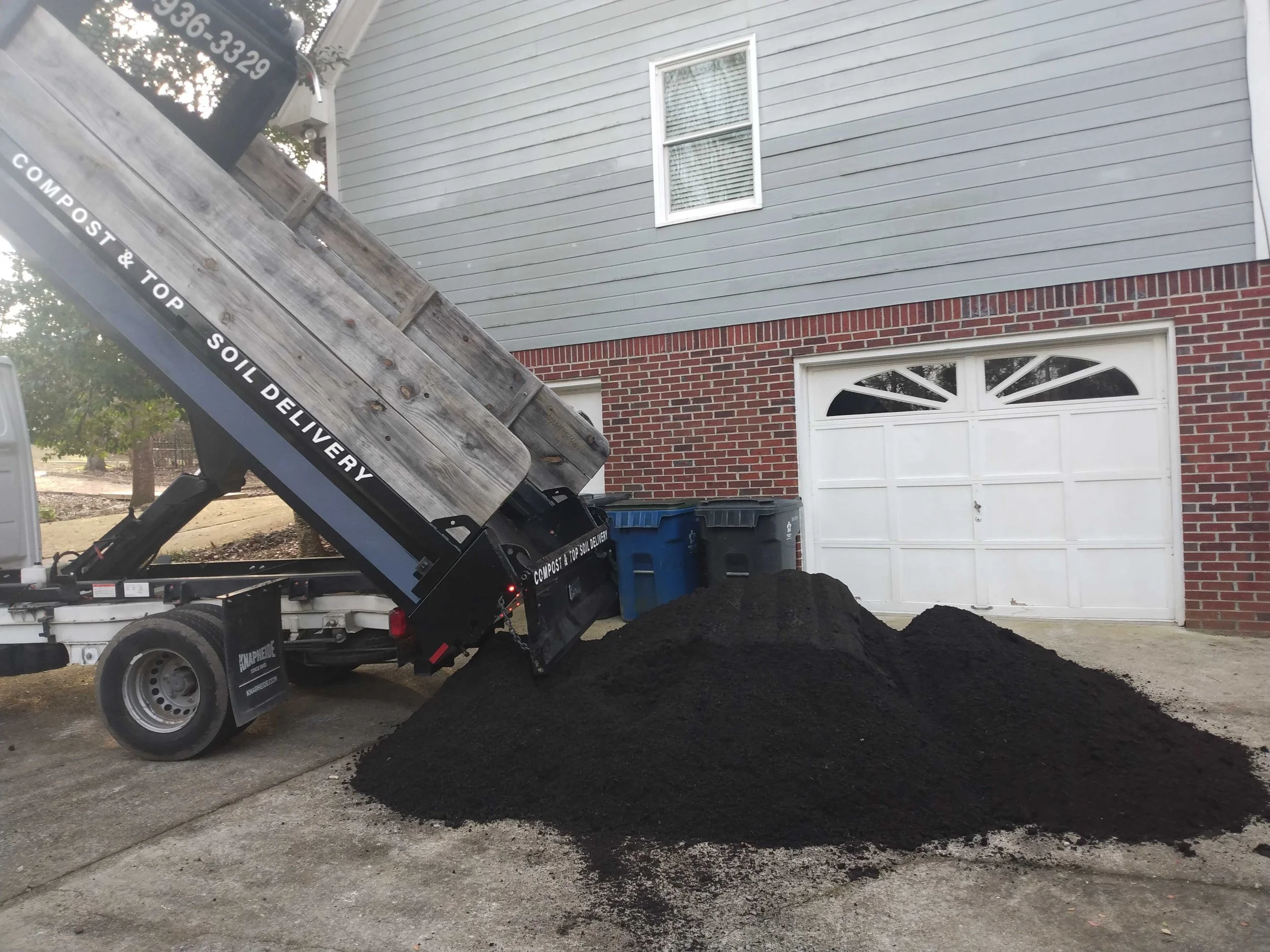
$20 per yard, with a $100 delivery fee
Delivery available up to 10 yards using RCM’s own truck
Larger orders are handled through outsourced trucking (delivery fee passed through to the customer at cost)
For comparison, similar material can run $75 per yard at some local retail suppliers -- with a few retailers selling compost as high as $110 per yard.
Closing the Loop Locally
While decorative stone and landscape rock dominate many supply yards, RCM’s focus remains on recycled materials, from concrete to compost. The Milo’s Tea partnership is a clear example of what’s possible when local businesses work together to close the loop.
What started as a disposal problem has become a product that improves soil, supports sustainability goals, and strengthens the Birmingham community—one load of tea leaves at a time.