
Unlock Savings & Sustainability: The Power of Recovered Construction Materials
The Challenge: Balancing Cost, Quality, and Sustainability
When you're planning a construction or landscaping project, one of the biggest challenges is balancing cost, quality, and long-term value. Material prices continue to fluctuate, disposal costs keep rising, and expectations around sustainability are higher than ever. For many contractors and property owners, the question is no longer just how to build, but how to build smarter. That’s where recovered construction materials are making a real difference.
What Are Recovered Construction Materials?
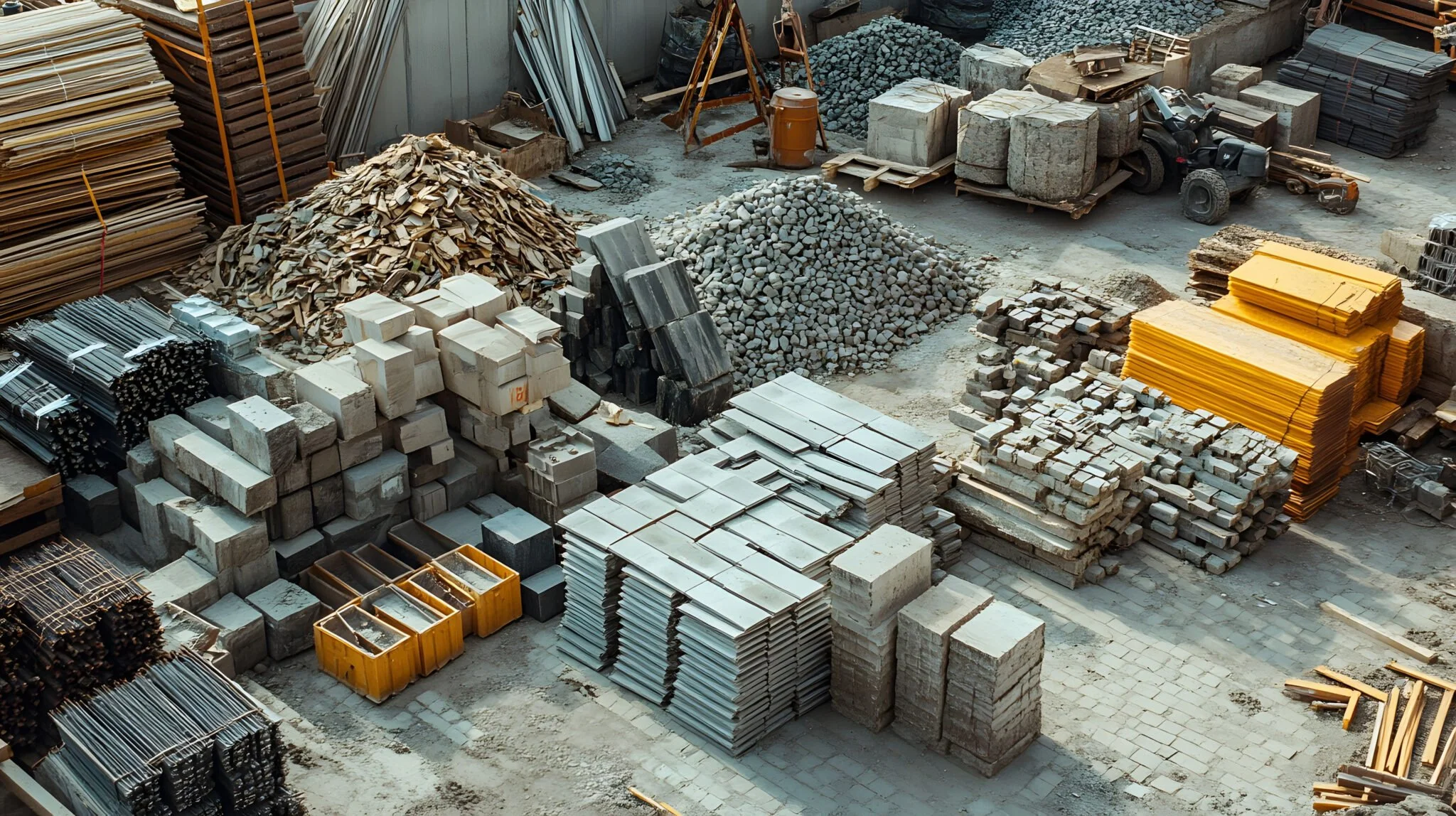
Recovered construction materials are salvaged from demolition sites, excess inventory, or previous builds and repurposed for new use. Instead of sending concrete, asphalt, brick, or aggregates to the landfill, these materials are processed and reintroduced into active projects. This approach reflects a simple but powerful idea that aligns closely with how Recovered Construction Materials Alabama operates: “nothing goes to waste.”
By keeping usable materials in circulation, contractors are able to reduce costs while maintaining performance, creating a system where waste is no longer wasted. Instead, it becomes part of the solution.
Cost-Effective Construction Without Compromise
One of the most immediate advantages is cost-effective construction. Material expenses often make up a large portion of a project budget, and sourcing new materials can quickly drive costs higher. Recovered materials provide a practical alternative that helps control spending without sacrificing quality.
Key cost advantages include:
Lower material purchase costs compared to new resources
Reduced hauling and landfill disposal fees
Local sourcing that minimizes transportation expenses
Because these materials are often readily available within the region, contractors can avoid delays and keep projects moving forward efficiently.
Improve ROI Through Smarter Material Use
Beyond upfront savings, recovered materials also help improve ROI by increasing overall project efficiency. When materials are easier to source and less dependent on external supply chains, projects experience fewer delays and better cost control.
This leads to:
Faster project timelines
Reduced logistics and supply chain risks
Better allocation of budget toward high-impact areas
Additionally, projects that prioritize sustainability are becoming more attractive to buyers, tenants, and investors, adding long-term financial value beyond initial cost savings.
Environmental Impact and Waste Reduction
The environmental side of this shift is just as important. Construction and demolition waste remains one of the largest contributors to landfill volume, and managing that waste effectively has become a major industry concern.
Recovered materials directly address this issue by driving measurable waste reduction and lowering the overall environmental impact of construction projects.
Environmental benefits include:
Diverting large volumes of material from landfills
Reducing carbon emissions tied to manufacturing new materials
Conserving natural resources by reusing existing materials
This process not only minimizes waste, but also reduces the carbon footprint associated with construction.
Performance and Quality You Can Trust
A common concern is whether recovered materials can match the performance of new ones. In reality, many recovered materials meet or exceed industry standards when properly processed.
For example, recycled concrete is widely used for road base and structural support, aggregates are tested and graded for consistency, and materials are inspected to ensure durability and reliability.
At RCM Alabama, we use advanced processing methods to deliver a high-quality finished product. This ensures that contractors are not sacrificing performance, but simply using resources more efficiently.
Supply Chain Stability and Reliability
Recovered materials also provide a more stable approach to sourcing. With ongoing disruptions affecting global supply chains, relying solely on new materials can introduce delays and unexpected costs.
Locally recovered materials offer:
Consistent availability
Reduced dependency on long-distance suppliers
Protection from price volatility
For contractors working on tight deadlines, this reliability becomes a key advantage in maintaining project timelines and budgets.
Practical Applications Across Projects
Recovered construction materials are versatile and can be used across a wide range of projects. From residential builds to large-scale commercial developments, these materials provide flexibility without compromising performance.
Common applications include:
Residential and commercial construction
Roadways, driveways, and foundational layers
Site preparation and landscaping projects
Infrastructure and public works
A Smarter Approach to Modern Construction
The shift toward recovered materials reflects a broader change in how the construction industry operates. Instead of treating waste as an unavoidable outcome, it is now being viewed as a reusable resource. This mindset helps contractors reduce overall project costs, improve efficiency across operations, and align with growing sustainability expectations.
As demand for smarter, more responsible building practices increases, adopting recovered materials is becoming less of an option and more of a strategic necessity.