
The Complete Guide to Construction and Demolition Waste Management for Alabama Contractors
Construction and demolition (C&D) waste management is the process of collecting, sorting, processing, and recovering solid materials generated during construction, renovation, or demolition projects. Debris leaves a jobsite, moves through a sorting and crushing sequence, and re-enters the market as recycled aggregate, base material, or fill.
The EPA estimates the C&D sector produces more than 600 million tons of debris annually. That is more than twice the volume of U.S. municipal solid waste.
For Alabama contractors, how this material gets managed affects disposal budgets, LEED certification eligibility, and the legal compliance requirements that attach to construction sites under state and federal rules. For a contractor-focused overview of how to structure waste management on a project, see the construction waste management guide for contractors.
What Is Construction and Demolition Waste?
C&D waste falls into two streams.
Construction waste comes from new building activity: excess materials, offcuts, packaging, and materials that were damaged or rejected during the build.
Demolition waste comes from tearing down existing structures: broken concrete, brick masonry, roofing materials, wood, drywall, steel, and the full range of materials from the original building.
The two streams share the same recycling infrastructure and are typically managed together. C&D waste is primarily inert material: it does not leach hazardous chemicals under normal conditions.
That distinction matters. Inert C&D debris can be processed at standard recycling facilities rather than specialized hazardous waste facilities.
What Types of C&D Waste Do Alabama Contractors Encounter?
| Material | Recyclable? | Notes |
|---|---|---|
| Concrete | Yes | Can contain wire or rebar; metal is separated during processing. See: can reinforced concrete be recycled |
| Asphalt | Yes | High recovery rate; reused as RAP or base course |
| Fill dirt | Yes (clean only) | Reused for grading and base applications |
| Brick and masonry | Yes | Crushed into aggregate or salvaged for reuse |
| Marble and granite | Yes | Crushed into decorative and drainage aggregate |
| Green waste / tree debris | Yes | Composted, ground into mulch, or processed into biochar |
| Concrete block (CMU) | Yes | Same processing path as standard concrete |
| Drywall / gypsum board | Separate stream | Requires a specialized gypsum recycler |
| Scrap metal | Separate stream | Goes to scrap metal dealers, not C&D facilities |
| Treated / pressure-treated wood | No | Chemical preservatives contaminate aggregate streams |
| Plastic sheeting | No | Not processed at standard C&D facilities |
| Contaminated soil | No | Requires remediation or regulated disposal |
| Hazardous material (asbestos, lead) | No | Requires a licensed hazardous waste contractor before any other processing |

How Construction Waste from a Demolished Building Gets Recycled
The recycling sequence runs either on-site at the demolition location or off-site at a dedicated recycling facility. The steps are the same regardless of location.
Step 1: Sorting and Separation
Mixed demolition debris contains concrete, wood, metal, and gypsum board all combined. Separating by material type is the first requirement. Different materials follow different processing paths, and contaminated or mixed loads cost more to process or may be rejected outright.
Separation can be done manually at the jobsite, mechanically at the processing facility, or through a combination of both. The cleaner the sort at the source, the lower the cost at the other end.
Step 2: Crushing and Screening
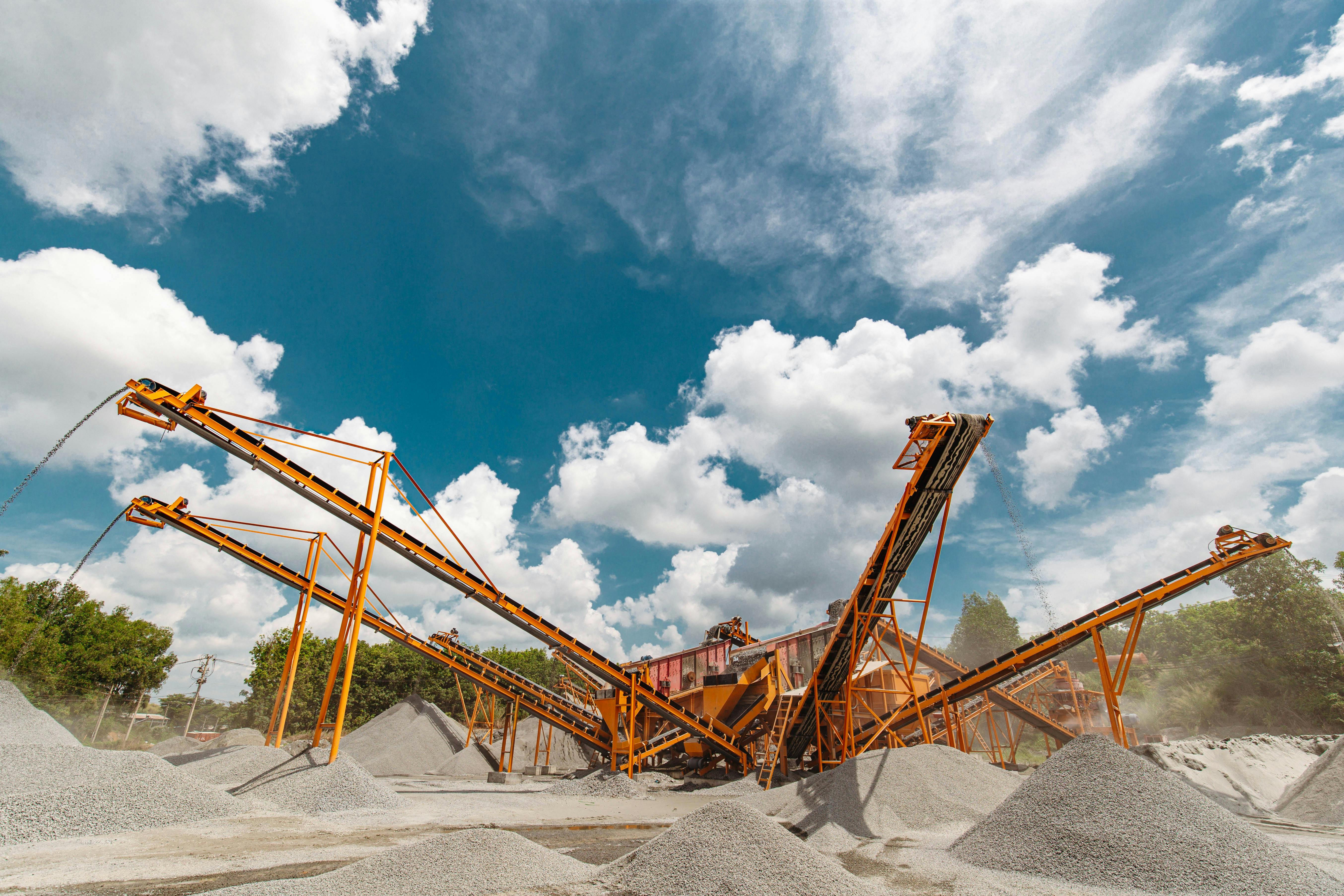
Concrete and masonry move through crushing and screening equipment in sequence. See the full breakdown of how concrete gets recycled for a deeper look at the process.
Jaw crushers handle initial reduction, breaking slabs and structural pieces into manageable chunks. Impact crushers and cone crushers refine the material to the target gradation.
Screening equipment separates output by size: oversize material returns to the crusher, correctly sized material moves forward, and fine dust is collected separately. Asphalt follows the same sequence, crushed to the target gradation for reclaimed asphalt pavement (RAP) or base course.
Step 3: Grading and Recovery
The final product is graded by size and intended use. This recovered material feeds back into the local supply chain, a process sometimes called urban mining and a core part of the circular economy in construction.
- Crushed concrete aggregate: Road base, fill material, drainage stone, or new concrete mix ingredient
- Asphalt millings: Base material for driveways, parking areas, and access roads
- Crushed marble and stone: Decorative aggregate or drainage fill
- Processed organic material: Compost, ground cover, or biochar for soil amendment
Recovered materials sell below the price of virgin aggregate. That pricing difference is what makes the model work for recycling facilities and the contractors paying to dispose of their debris.
On-Site vs. Off-Site Recycling: Which Option Fits Your Project?
| Factor | Off-Site Drop-Off | On-Site Crushing |
|---|---|---|
| Best for | Residential and small commercial projects | Large-volume demolition, highway work, site clearing |
| Equipment required | None (contractor hauls material) | Mobile crushing and screening dispatched to site |
| Transportation cost | Haul to facility required | Reduced: material processed in place |
| Minimum volume | No minimum | Most practical above several hundred tons |
| Produces on-site base material | No | Yes: recovered aggregate can be used on the same project |
Off-site drop-off is the practical choice for most projects. The contractor loads material, hauls it to a licensed facility, and pays disposal fees based on material type and cleanliness. For Birmingham-area contractors, RCM Alabama operates full-service off-site recycling at 221 Kilsby Circle, Bessemer, AL.
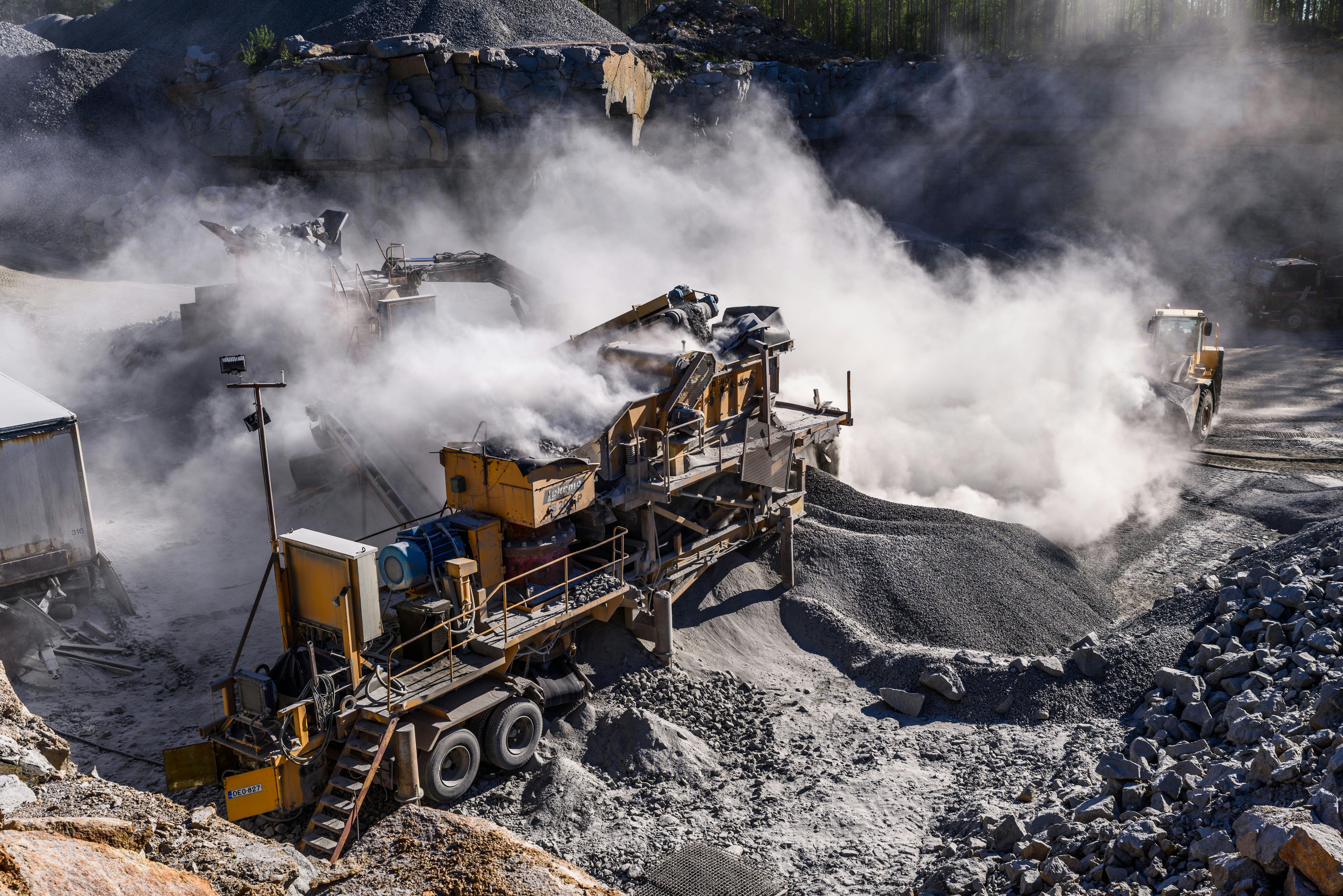
On-site crushing and screening reduces haul trips and can produce usable base material directly on the project. See RCM's on-site recycling services for details on what the dispatch process covers. RCM Alabama operates mobile crushing and screening equipment across Alabama, Georgia, Tennessee, Florida, Mississippi, and South Carolina.
C&D Waste Regulations in Alabama
Alabama does not impose a universal statewide C&D recycling mandate for most project types. Several regulatory layers apply regardless.
ADEM (Alabama Department of Environmental Management) regulates solid waste disposal, including C&D debris. Unpermitted dumping violates Alabama solid waste law and carries significant penalties.
LEED-certified projects require documented waste diversion under the LEED Materials and Resources credit category. Required documentation includes a construction waste management plan, diversion rate calculations, and facility disposal receipts.
Federal and state agency projects often carry waste diversion requirements under executive sustainability mandates. Review contract terms before finalizing waste management logistics.
Disposal receipts: Maintain facility receipts for any project requiring compliance documentation. A receipt from a licensed facility confirms legal disposal and provides the paper trail compliance auditors require.
For a full breakdown of LEED waste diversion documentation, see: LEED Certification and Construction Waste: What Contractors in Alabama Need to Know (coming soon).

RCM Alabama: Birmingham's C&D Waste Recycling Facility
Recovered Construction Materials (RCM Alabama) is a full-service C&D waste recycling facility at 221 Kilsby Circle, Bessemer, AL 35022, serving the greater Birmingham metropolitan area and the broader Southeast.
What RCM Accepts
Visit the material disposal page for the full accepted materials list. Current rates:
| Material | Rate |
|---|---|
| Clean concrete, under 2 feet | No charge |
| Concrete with wire, under 2 feet | No charge |
| Clean concrete, over 2 feet | $20/load |
| Concrete with wire, over 2 feet | $50/load |
| Dirty concrete | $50–$100/load |
| Concrete with rebar | $50–$200/load |
| Asphalt | No charge |
| Clean topsoil | No charge |
| Clean marble | No charge |
| Fill dirt | $25–$100/load |
| Rock, brick, granite, and block | Contact for pricing |
| Green waste and tree debris | Variable |
Not accepted: Plastic, cardboard, paper, metal, or treated wood.
Recycled Products Available for Purchase
See the full product list and current pricing at rcmalabama.com. Recycled products available for purchase include:
- Asphalt millings: $450/load
- #57 Stone: $500/load
- #4 Stone: $400/load
- #8910 Base Material: $300/load
- Screened Topsoil / Blended Mix: $350/load
- Fill Dirt: $100/load
- Crushed Marble (3/4”, 1½”, 2–4”): $250/5-yard scoop
- Compost: $125/5-yard scoop
For large-volume projects, mobile crushing and screening equipment is available on-site across the Southeast.
About RCM Alabama
RCM Alabama was founded in Bessemer, Alabama by Neil McCoy and Philip Birch.
Neil McCoy brings more than 25 years of experience in the heavy crushing and screening industry, including founding Crusher Works in 2000. Philip Birch built his background in construction and demolition waste recycling through Enterprise Skip Hire and Enterprise Waste Management before co-founding RCM in 2018.
Phone: (205) 936-3329
Address: 221 Kilsby Circle, Bessemer, AL 35022
Website: rcmalabama.com
Contact RCM Alabama to discuss disposal pricing, drop-off scheduling, or on-site crushing services.
Related Reading:
- Construction Waste Management Guide for Contractors
- How Is Concrete Recycled?
- Can Reinforced Concrete Be Recycled?
- Where to Dump Concrete in Alabama
- Urban Mining: Extracting Value from Construction Waste in Birmingham, AL
- On-Site vs. Off-Site Construction Waste Recycling: Which Is Right for Your Project? (coming soon)
- LEED Certification and Construction Waste: What Contractors in Alabama Need to Know (coming soon)