
What Is Construction and Demolition Waste? A Breakdown by Material Type
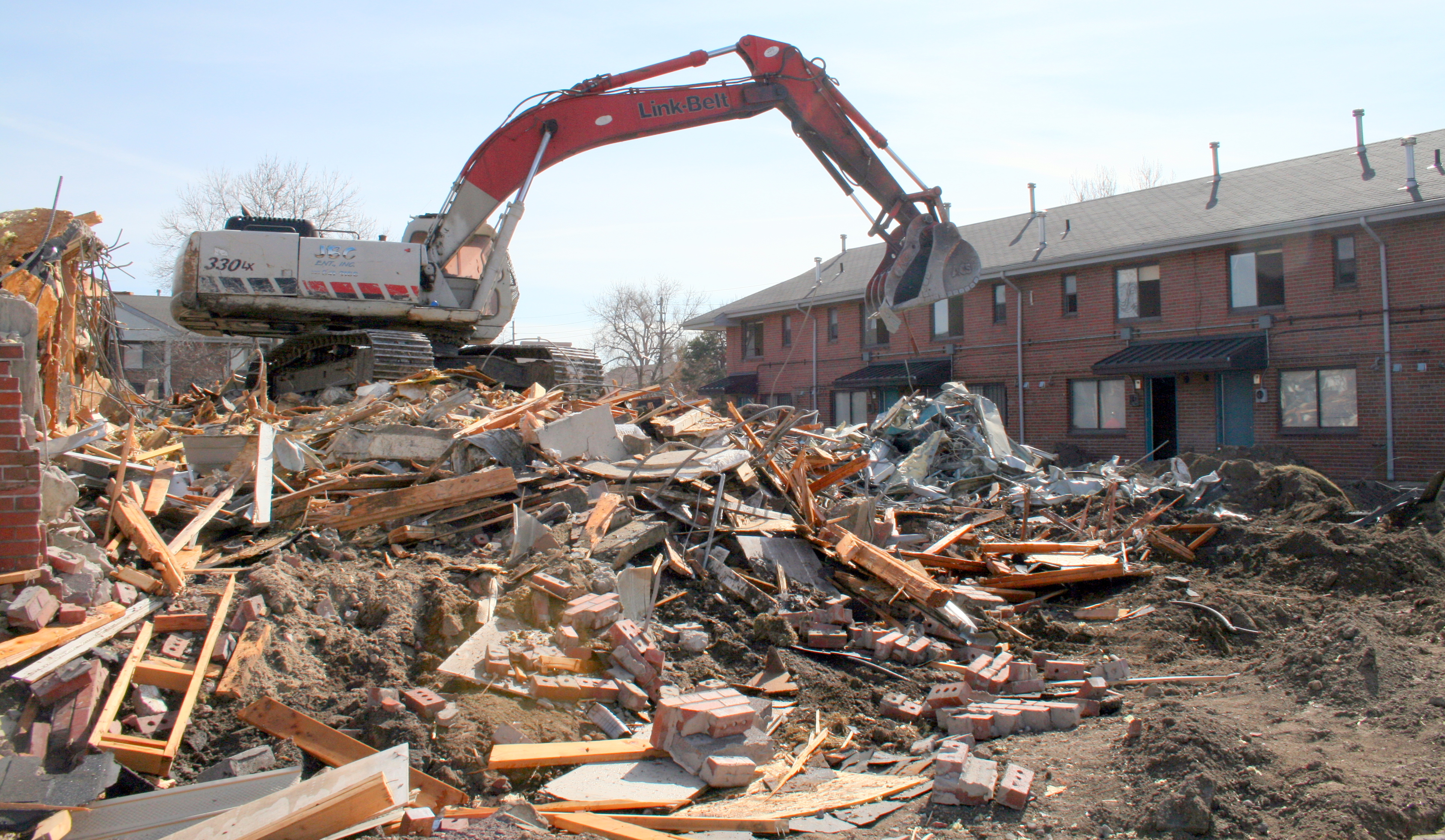
C&D waste is any solid material removed or discarded during construction, renovation, or demolition of buildings, roads, and infrastructure. It includes concrete, asphalt, wood, metals, drywall, roofing, fill dirt, and organic debris. Some materials — concrete, asphalt, brick, clean fill — are fully recyclable. Others, including treated wood, asbestos, and plastics, cannot go to standard recycling facilities. In Alabama, ADEM regulates C&D disposal. RCM Alabama in Bessemer accepts the full range of inert C&D materials from contractors across the Birmingham metro area.
Construction and demolition (C&D) waste is any solid material generated during the construction, renovation, repair, or demolition of buildings, roads, bridges, and other structures. By volume, it is one of the largest waste streams in the United States. EPA estimates put C&D debris generation at more than double the combined total of all municipal solid waste.
In Alabama, this waste ends up in one of three places: a licensed landfill, a recycling facility, or processed on-site. Knowing what your project generates — and which destination applies — is the first step in managing it legally and cost-effectively. See our Complete Guide to C&D Waste Management for a full overview of your disposal and recycling options.
How Is C&D Waste Defined?
Not every scrap from a job site qualifies as C&D waste in the regulatory sense. The defining criteria come from the source: if material was part of a structure, paving system, or site improvement and is now being removed or discarded, it falls under the C&D category.
The Alabama Department of Environmental Management (ADEM) regulates C&D disposal statewide. Under ADEM definitions, C&D waste includes inert materials like concrete, brick, and rock, as well as materials requiring more careful handling, such as treated wood and certain insulation products.
The category does not include hazardous waste, household garbage, or regulated medical waste. Those fall under separate disposal classifications. RCM Alabama provides a full list of materials it can recycle, accept, and dispose of at its Bessemer facility.
The Major C&D Material Categories
C&D debris covers a wide spectrum. The type of project determines the mix.
Concrete and Masonry
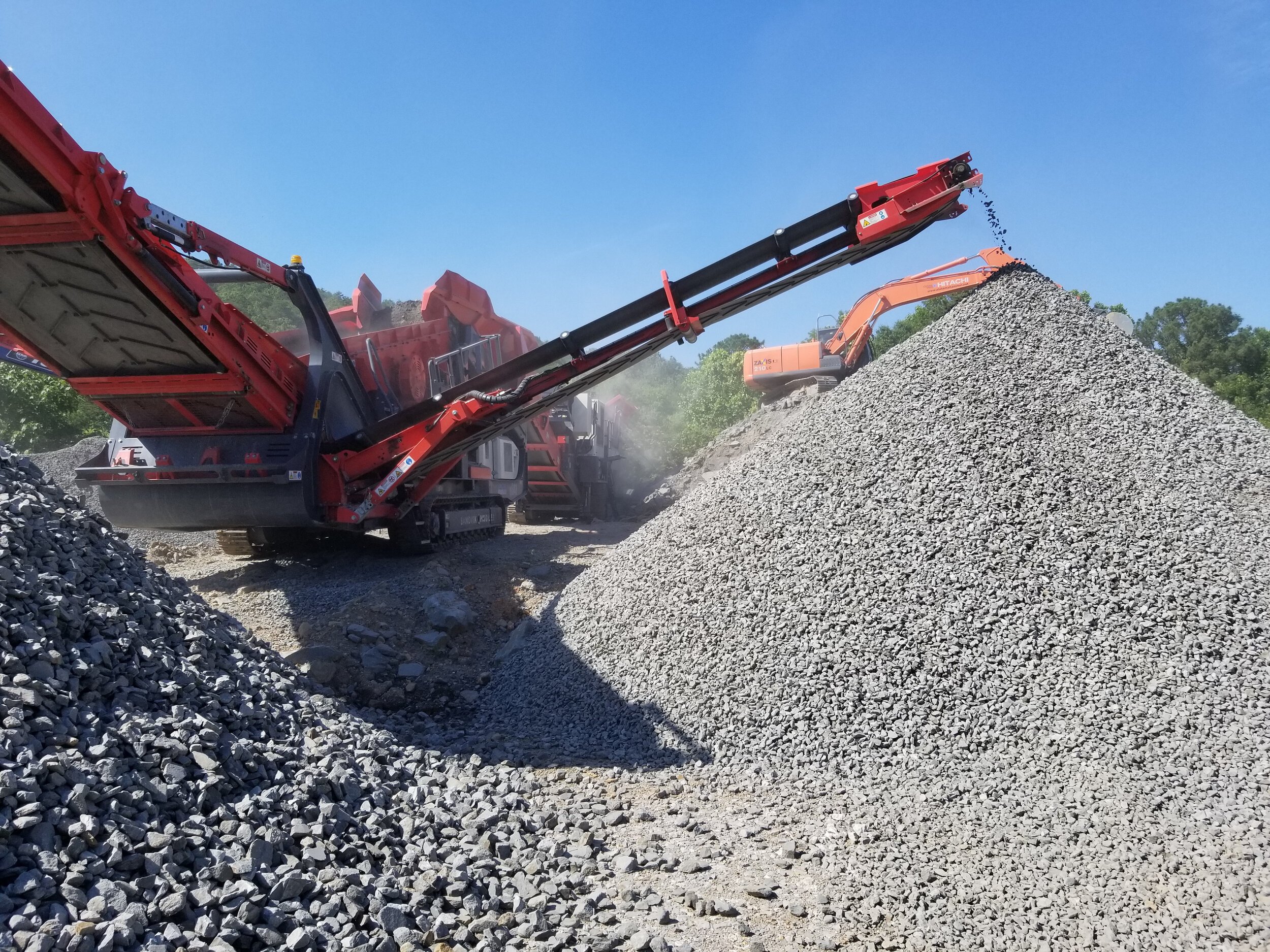
Concrete is the most common C&D material by weight. Demolition of slabs, foundations, columns, retaining walls, and paved surfaces all generate concrete debris. Masonry materials, including brick, block, granite, and marble, fall into the same broad category.
Concrete is highly recyclable. Crushed and screened, it becomes recycled concrete aggregate, used as base material for roads, pads, and construction sites. Learn more: How Is Concrete Recycled? and Top Uses & Benefits for Recycled Bricks.
Asphalt and Paving Materials
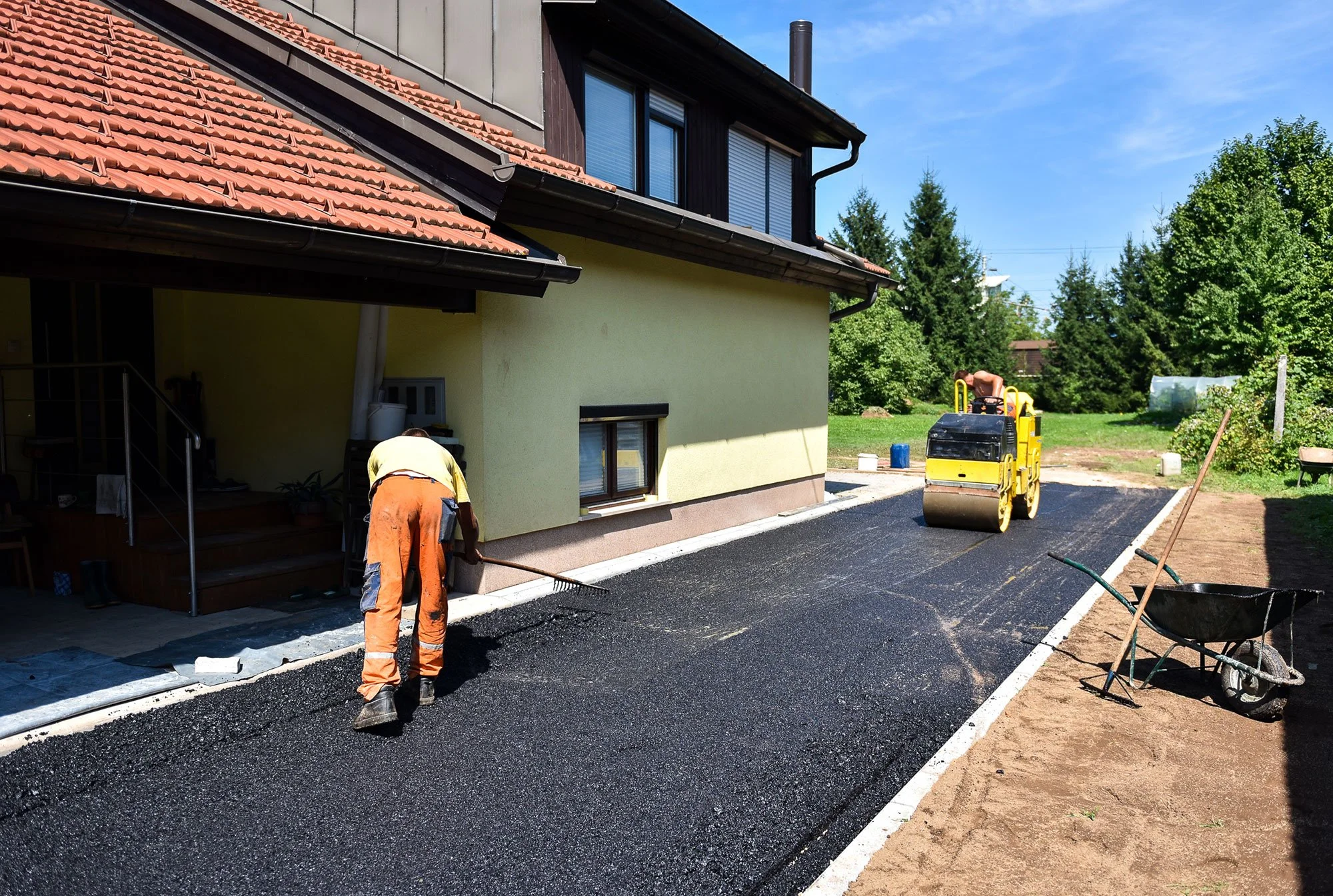
Asphalt removed from roads, parking lots, and driveways is a high-volume C&D material. It is one of the most recycled construction materials in the country. Processed asphalt becomes reclaimed asphalt pavement (RAP), reused in new paving mixes and base layers.
Projects involving road resurfacing, driveway removal, or parking lot reconstruction generate significant asphalt tonnage. See: Pros and Cons of Recycled Asphalt Driveways.
Wood and Lumber
Wood is a variable category. Clean dimensional lumber from new construction framing can often be recycled or repurposed. Wood from demolition projects is more complicated: it may contain paint, adhesives, or treatments that restrict disposal options.
Treated lumber (pressure-treated wood containing arsenic compounds or other preservatives) requires separate handling. It cannot be accepted at standard C&D recycling facilities and must go to a licensed facility equipped to process it.
Metals
Steel, iron, copper, aluminum, and other metals are routinely generated during structural demolition. Metal is highly recyclable and carries scrap value. Most C&D recycling facilities do not process metals directly. Scrap metal dealers and metal recyclers are the appropriate destination.
Rebar embedded in concrete creates a mixed-material processing challenge. Facilities with concrete crushing equipment can handle concrete with rebar after metal separation, though it may carry a disposal fee. See: Can Reinforced Concrete Be Recycled?
Drywall and Gypsum Board
Drywall (gypsum board) is generated in large volumes during interior demolition and renovation. New drywall scraps can be recycled into new board or used as a soil amendment. Painted or contaminated drywall from older structures is more difficult to recycle and may need to go to a lined landfill.
Gypsum is not accepted at all C&D facilities. Confirm acceptance before hauling.
Roofing Materials
Asphalt shingles from residential and commercial roofing tear-offs represent a significant C&D sub-category. Some facilities accept shingles for processing into road base or recycled asphalt products. Others do not. Tile and slate roofing materials have limited recycling markets.
Fill Dirt, Rock, and Earthen Materials
Fill dirt, clean topsoil, rock, and gravel are inert materials from grading, excavation, and site preparation. These are among the easiest C&D materials to recycle, provided they are clean: free of debris, trash, or contamination.
Clean fill has active reuse markets. Facilities like RCM Alabama accept clean topsoil and fill dirt for processing and resale. Contaminated fill, including soil with petroleum products or chemical runoff, requires environmental assessment before disposal.
Green Waste and Organic Debris
Tree debris, brush, stumps, and organic material removed during land clearing and site prep fall under the green waste sub-category of C&D waste. Green waste can be chipped, composted, or processed into mulch and biochar.
RCM Alabama accepts tree debris and green waste at its Bessemer facility. The company runs a seasonal Christmas tree recycling program, converting post-holiday trees into biochar blended into spring topsoil products.
Which C&D Materials Can Be Recycled in Alabama?
| Material | Recyclable? | Notes |
|---|---|---|
| Concrete (clean) | Yes | Crushed into recycled concrete aggregate |
| Concrete with wire | Yes | Processed with metal separation |
| Concrete with rebar | Yes (fee may apply) | Requires crushing and metal separation |
| Asphalt | Yes | Processed into reclaimed asphalt pavement (RAP) |
| Brick, block, granite, marble | Yes | Crushed and screened for aggregate |
| Clean fill dirt | Yes | Reused or resold as fill material |
| Clean topsoil | Yes | Screened and resold |
| Rock | Yes | Processed into base material |
| Clean wood (unpainted, untreated) | Yes | Chipped or repurposed |
| Green waste and tree debris | Yes | Composted, chipped, or converted to biochar |
| Metals | Yes (separate facility) | Scrap metal dealers, not C&D recyclers |
| Clean asphalt shingles | Facility-dependent | Confirm with facility before hauling |
Recovery rates depend on contamination level. Mixed loads or materials combined with hazardous substances reduce recyclability.
What C&D Materials Cannot Go to a Standard Recycling Facility?
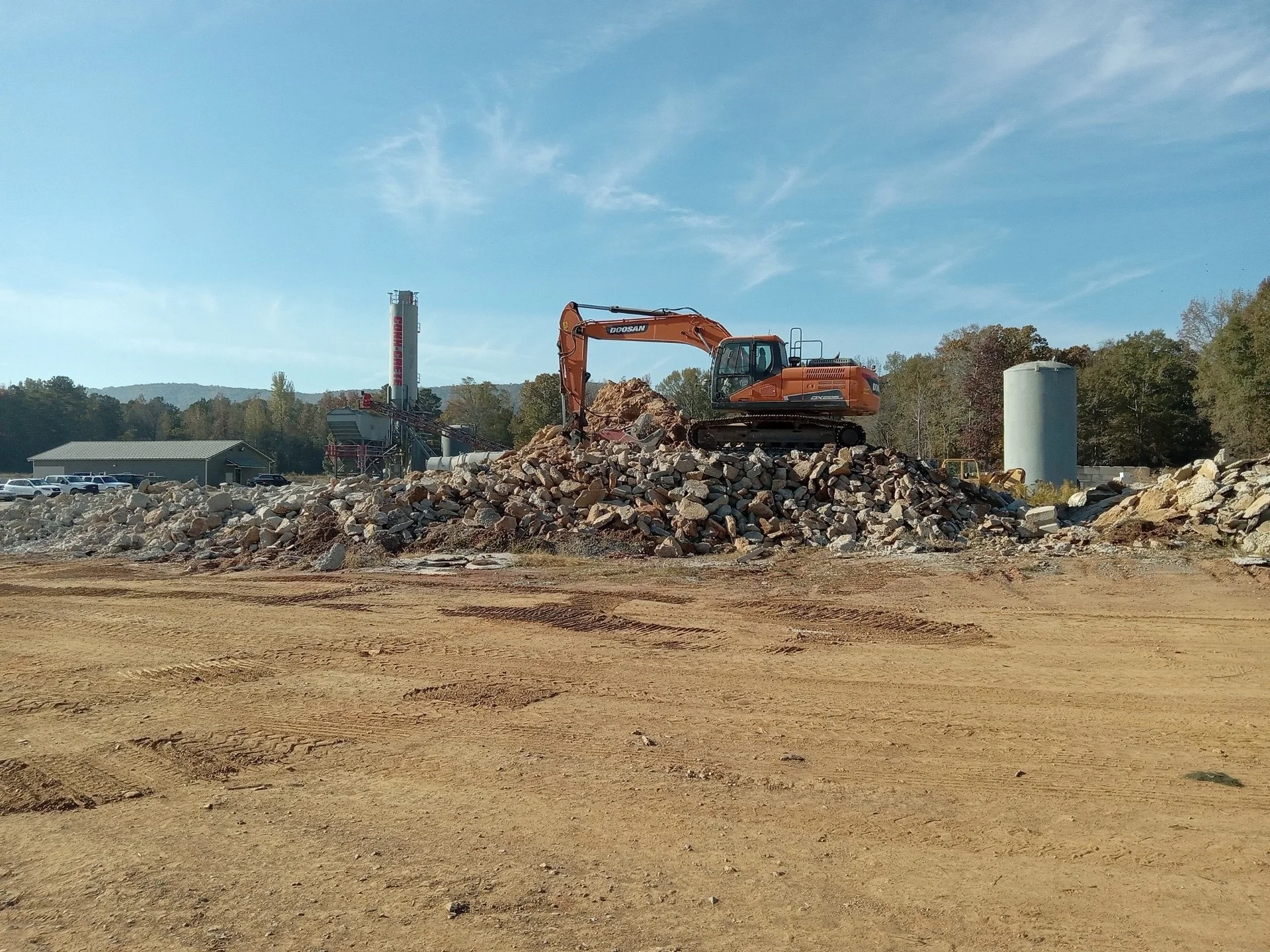
Some materials generated on construction and demolition sites cannot go to a standard C&D recycling facility. Sending them creates contamination problems and regulatory exposure for the contractor. See also: How to Get Rid of Construction Debris.
| Material | Why It Cannot Be Recycled at Standard Facilities |
|---|---|
| Plastic (tarps, wrapping, packaging) | Contaminates inert material streams |
| Cardboard and paper | Belongs in standard recycling or trash |
| Metal | Requires separate scrap metal facility |
| Treated lumber | Contains arsenic or other preservatives; requires specialized handling |
| Asbestos-containing materials | Regulated hazardous waste; requires licensed abatement contractor |
| Lead paint debris | Regulated; requires proper containment and disposal |
| Contaminated soil | Requires environmental assessment before any disposal |
Mixing non-accepted materials into a C&D load does not make them disappear. It creates rejection risk at the receiving facility and potential liability for the hauling contractor.
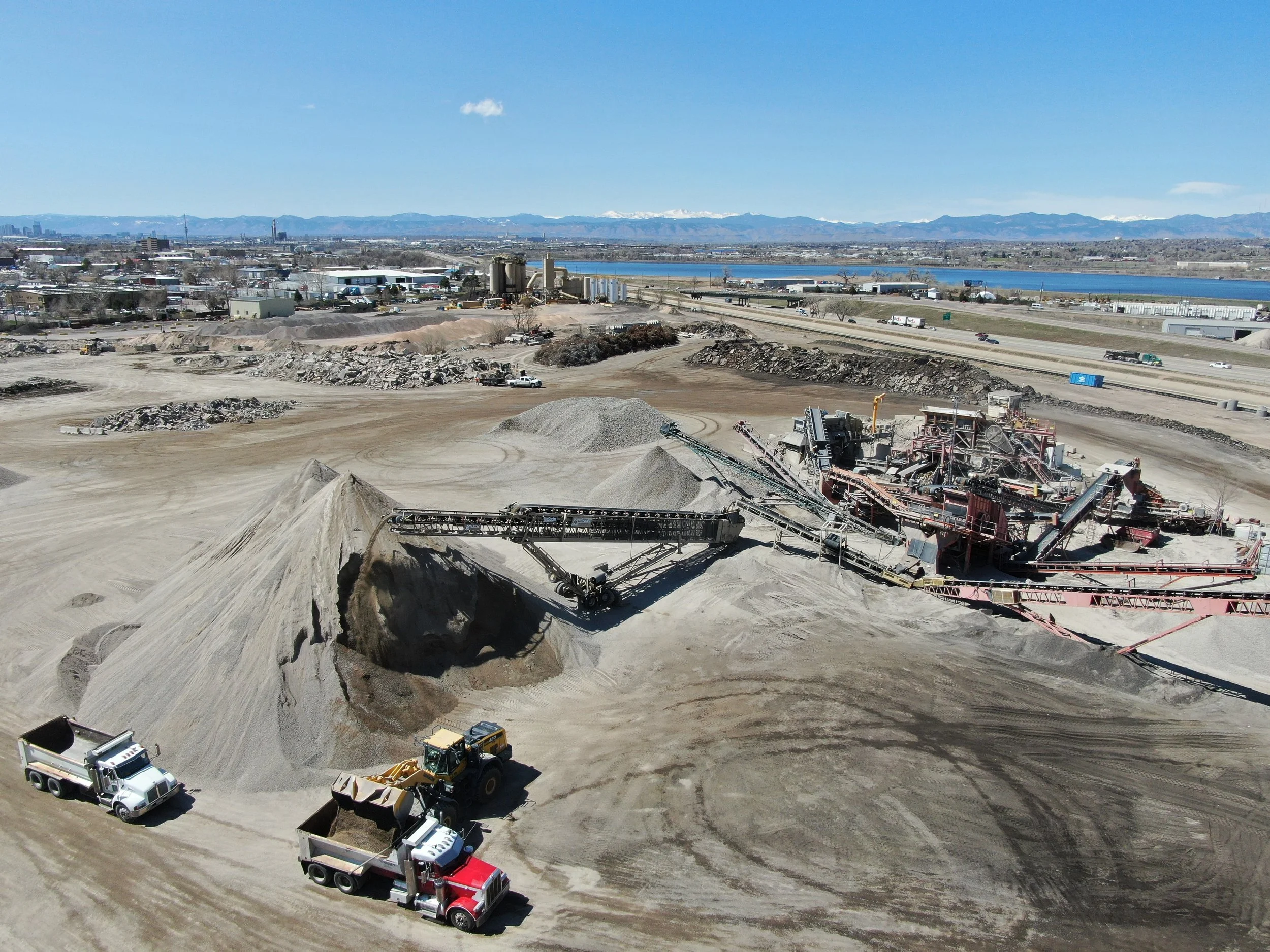
Where to Recycle C&D Waste in Birmingham, Alabama
RCM Alabama operates a full C&D waste recycling facility at 221 Kilsby Circle, Bessemer, AL 35022, serving contractors and property owners across the Birmingham metro area.
Materials accepted: Concrete, asphalt, rock, fill dirt, clean topsoil, brick, granite, block, marble, green waste.
Materials not accepted: Plastic, cardboard, paper, metal, treated wood.
RCM Alabama dispatches mobile crushing and screening equipment to large demolition projects across Alabama, Georgia, Tennessee, Florida, Mississippi, and South Carolina. View current disposal and product pricing.
For material-specific questions or to confirm whether your project's debris qualifies, contact RCM Alabama or call (205) 936-3329.
Recovered Construction Materials (RCM Alabama) is Birmingham's construction material recycling facility, serving contractors and property owners across the Southeast since 2018. Located at 221 Kilsby Circle, Bessemer, AL 35022. Phone: (205) 936-3329. Website: rcmalabama.com.
