
Sound Insulation Properties of Crushed Concrete vs. Traditional Concrete
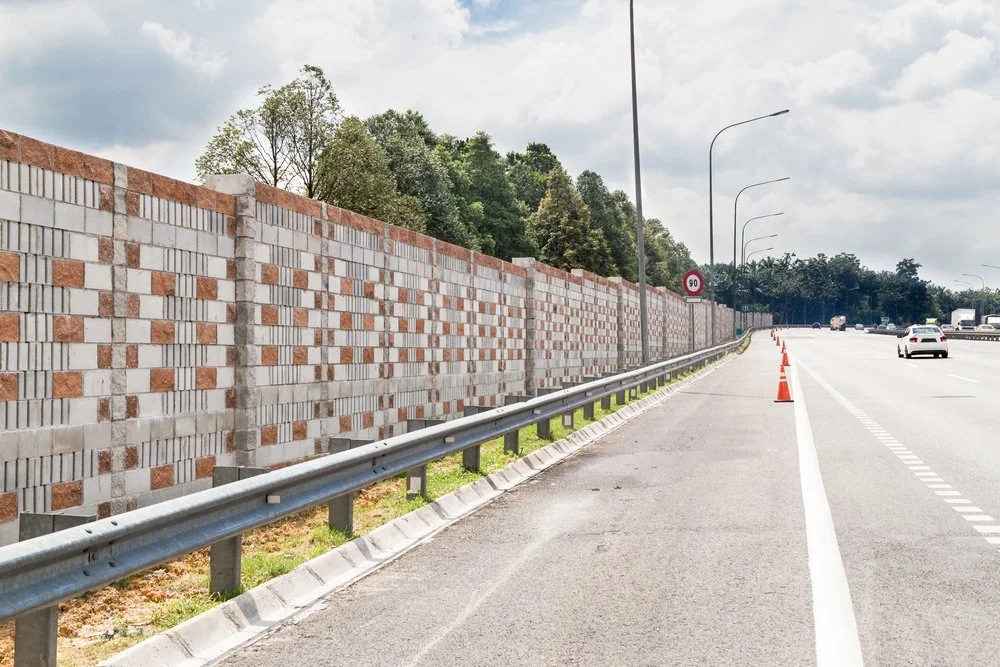
When choosing materials for construction projects—whether that’s a commercial build, a retaining wall, a driveway base, or site backfill—sound insulation usually isn’t the first thing that comes to mind. But for certain applications, understanding how materials impact noise control can make a big difference in comfort and functionality.
Two materials often compared in construction and site work are crushed concrete and traditional concrete. While both provide strength and durability, their sound insulation properties differ in ways that may influence your project decisions.
Here’s a breakdown of how each material performs when it comes to noise reduction.
What Affects Sound Insulation in Construction Materials?
Before diving into the comparison, it helps to understand the key factors that influence sound insulation:
Density – Heavier, denser materials generally block sound more effectively.
Porosity – Materials with air pockets or voids absorb sound differently than solid materials.
Thickness – The thicker the barrier, the more sound it can block.
Installation method – Backfill, compaction, and layering all affect performance.
With these factors in mind, let’s explore how crushed concrete and traditional concrete measure up.
Sound Insulation of Traditional Concrete
Traditional concrete is known for its high density and solid mass, making it a strong performer when it comes to sound insulation.
Advantages of Traditional Concrete for Sound Control
Excellent Sound Blocking
Its density makes it effective at reducing airborne noise like traffic, machinery, or exterior conversation.Consistent Structure
Because it lacks voids, sound cannot easily travel through it.Good for Structural Barriers
Walls, footings, and pads made from poured concrete naturally help isolate sound.
Where Traditional Concrete Excels
Commercial buildings
Multi-family housing
Retaining walls in noise-sensitive areas
Foundations near busy roads
If maximum noise reduction is required, traditional concrete is typically the superior choice.
Sound Insulation of Crushed Concrete
Crushed concrete is a recycled aggregate made by processing demolished concrete into smaller pieces. It’s eco-friendly, cost-effective, and widely used for road bases, driveways, drainage applications, and backfill.
But how does it perform for sound insulation?
Advantages of Crushed Concrete
Porous Structure Absorbs Some Sound
The irregular shapes and small voids within crushed concrete can absorb and diffuse certain sound frequencies—especially ground vibrations.Effective for Ground-Level Noise Reduction
When used as a base layer beneath roads, driveways, or equipment pads, crushed concrete helps reduce vibration transfer.Great for Outdoor Noise Management
As backfill around retaining walls or foundations, it can improve sound performance slightly compared to natural soil or loose gravel.
Limitations
Not as Dense as Traditional Concrete
Because it contains gaps and air pockets, crushed concrete cannot block airborne noise as effectively as solid concrete.Requires Proper Compaction
Without good compaction, sound can travel more easily through voids.
Which Material Should You Choose?
The best choice depends on your project and the type of noise you’re dealing with.
Choose Traditional Concrete If You Need To:
Block airborne sound (traffic, people, machinery)
Build structural walls or barriers
Create enclosed or semi-enclosed spaces
Traditional concrete offers superior sound-blocking due to its density and uniformity.
Choose Crushed Concrete If You Want To:
Reduce ground vibration
Create a stable, eco-friendly base
Improve sound conditions for outdoor or open-air spaces
Lower project costs while still gaining moderate sound benefits
Crushed concrete won’t match the sound insulation of solid concrete, but it plays a valuable role in reducing vibration and improving overall site acoustics when used strategically.
Bottom Line
Both crushed concrete and traditional concrete have value in noise management—but in different ways. Traditional concrete wins when it comes to blocking sound, while crushed concrete offers vibration reduction and mild sound absorption thanks to its porous structure.
If you’re planning a project in the Birmingham, AL area and want help choosing the right material for your needs, RCM Alabama can walk you through options, pricing, and best-use guidelines.
Need Crushed Concrete for Your Project?
RCM Alabama supplies high-quality crushed concrete, aggregates, and fill materials for contractors, builders, and homeowners throughout Birmingham and the surrounding areas.
Contact us today for pricing, delivery scheduling, or expert recommendations.